
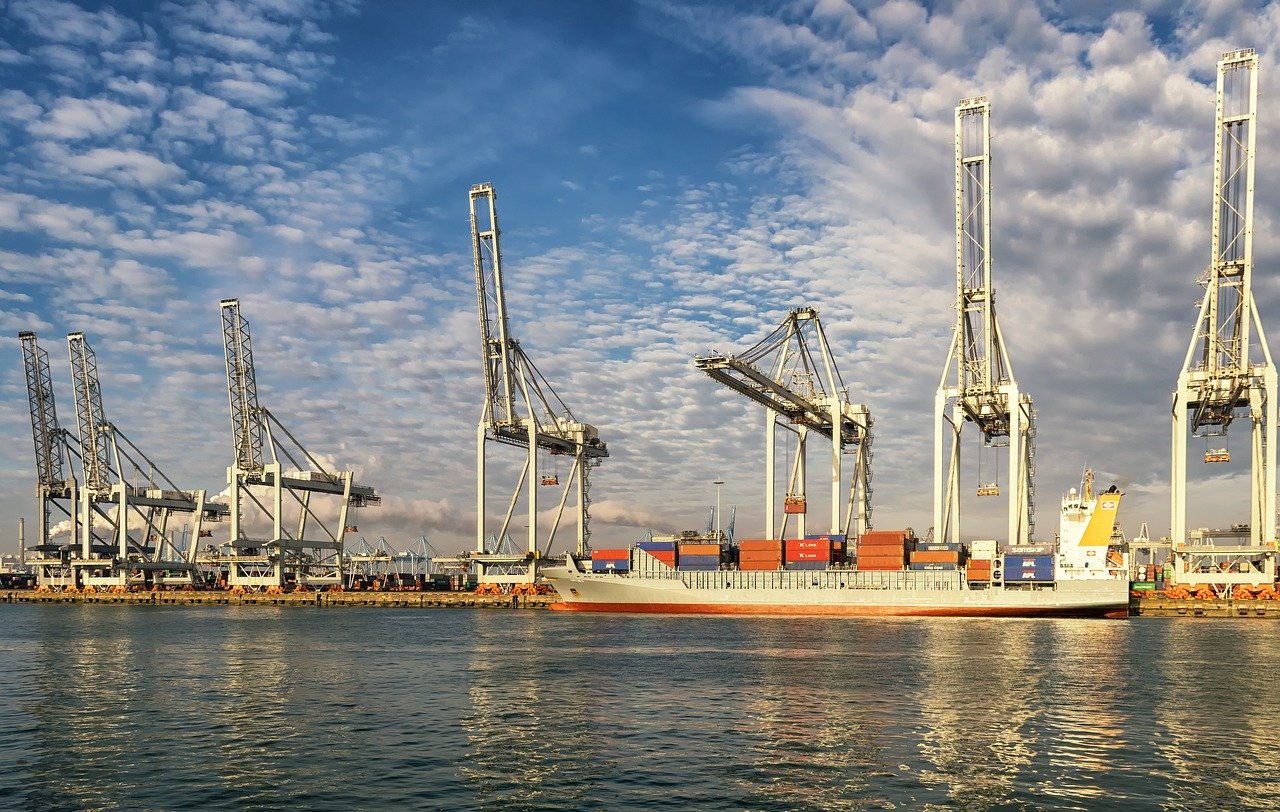
Bunker sales in the port of Rotterdam were approximately 25 per cent lower in the first quarter of 2026 compared to the first quarter of 2025. The largest decline occurred in the fossil fuel oil segment.
This was particularly true for very low sulphur fuel oil (VLSFO, -44 per cent), high sulphur heavy fuel oil (HSFO, -25 per cent), and ultra low sulphur fuel oil (ULSFO, -13 per cent). Fossil distillates also declined, with marine gas oil (MGO) down seven per cent and marine diesel oil (MDO) down eleven per cent.
Also read: Port of Rotterdam throughput declined in 2025
Slight increase for alternative fuels
At the same time, alternative fuels showed a (slight) increase. Sales of (bio-)LNG and (bio-)methanol rose by 6.4 per cent, while bioblended fuels increased by 2.7 per cent, mainly due to a shift towards bioblended distillates.
Bioblended LNG was supplied on a significant scale for the first time, reaching more than 15,000 m3 in the first quarter of 2026.
Also read: Port of Rotterdam electrifies patrol vessel
Possible explanations
According to the Port of Rotterdam Authority, these developments can partly be explained by the implementation of Renewable Energy Directive (RED) III in the Netherlands, which has led to higher prices compared to neighbouring countries. Operational changes in regulation and policy may also have played a role. In addition, price volatility and uncertainty may have resulted in lower bunker demand in Rotterdam.
The effects of developments in the Strait of Hormuz are not yet reflected in the bunker figures for the first quarter of 2026; these are expected to become more visible in the bunker statistics of the second quarter.
Also read: Port of Rotterdam and VOTOB to tackle tank storage spoofing