
New technology can introduce unintended consequences, warns The Nautical Institute in a new Mars Report. In this report, an emissions monitoring system limited the engine power of a tanker trying to leave a berth.
The Nautical Institute gathers reports of maritime accidents and near-misses. It then publishes these so-called Mars (Mariners’ Alerting and Reporting Scheme) Reports (anonymously) to prevent other accidents from happening. This is one of these reports.
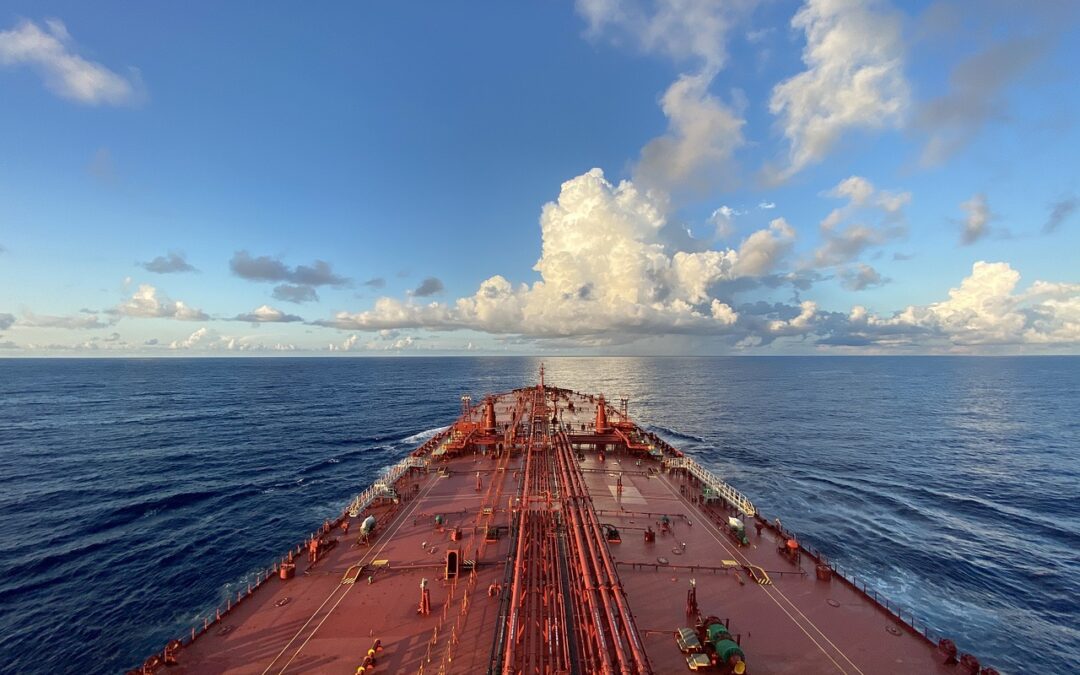
A new tanker (2024-built) was preparing for departure from the berth. Once the pilot was on board, the unberthing operation began. As the vessel cleared the berth, the pilot requested the dead slow ahead (25 RPM) and started a turn to starboard. The pilot then requested slow ahead, but the RPM would not increase beyond 25. The pilot and master attempted several engine settings to progress through the critical RPM band (30-37), but with no success.
The chief engineer explained that the funnel emissions were too high, and the computer auto-control system would not allow the engine increase until the emissions were within tolerance levels. According to the chief engineer, there was no override to this.
In this instance, the problem was not critical, but it could have been if they needed more power to clear the berth. And imagine being at anchor near a lee shore and you start dragging anchor!
Advice from The Nautical Institute
- To use shipboard equipment effectively, crews must know how to operate that equipment during routine and emergency situations.
- This incident demonstrates that new technology can introduce unintended consequences. A wide range of vessel functions may now be subject to automated control, and crew need to have a thorough understanding of the peculiarities of each device or system.
Mars editor’s note
The title “The ghost in the machine” refers to past MARS reports (202003 and 202004) where we underline how new devices intended to make work easier can introduce new risks. In this incident, we can observe the same phenomenon. New technology has given the engine controller decisional control and cannot be overridden. This seems to run against the necessity of an emergency.
Mars Reports
This accident was covered in the Mars Reports, originally published as Mars 202525. A selection of the Mars Reports are also published in the SWZ|Maritime magazine. The Nautical Institute compiles these reports to help prevent maritime accidents. That is why they are also published (in full) on SWZ|Maritime’s website.
More reports are needed to keep the scheme interesting and informative. All reports are read only by the Mars coordinator and are treated in the strictest confidence. To submit a report, please use the Mars report form.